We provide a comprehensive insight into our commodities operations, featuring our departments overview, leadership, core team, structure, associated units, budget, offices, and the laws that govern us.
The Food Safety & Consumer Protection Department (FS&CPD) is a newly created administrative department to improve food security, agricultural markets, and price regulation in Punjab. It ensures fairness, transparency, and growth in the agriculture and food sectors. The department includes the DG Food/ Cane Commissioner, which manages food supply and storage, and also oversees the sugarcane industry and protects farmers rights. The Punjab Institute of Agricultural Marketing focuses on research and training to modernize markets, while the Punjab Agriculture Marketing Regulatory Authority (PAMRA) ensures fair trade and smooth market operations. The Directorate of Agriculture Economics and Marketing works to improve agricultural resources and market connections. The PUNJAB SAHULAT BAZAAR AUTHORITY provides affordable markets for the public, and the Punjab Food Authority (PFA) ensures food safety and quality.

To establish an agri-food system in Punjab that is secure, resilient and trusted by all, empowering consumers to be informed, confident and protected in their choices. To support farmers and producers as the foundation of prosperity and to ensure markets operate with integrity, creating a virtuous cycle that fosters public health, stimulates economic growth and safeguards sustainable progress for the future.

To execute the provincial mandate for food security and consumer protection through rigorous enforcement of food safety standards, transparent monitoring of prices and supply chains and efficient resolution of consumer grievances. Creating widespread prosperity across the value chain by modernizing agricultural marketing and strengthening farmer-producer partnerships. To ensure these efforts are grounded in robust research supplemented with continuous capacity building and proactive consumer advocacy to modernize markets and uphold their integrity. Committed to a responsive, citizen-centric governance rooted in the Sustainable Development Goals, the department is set to build a resilient and equitable food ecosystem for all in Punjab. Through continuous collaboration with stakeholders and data-driven policy, the goal remains to anticipate challenges and create sustainable solutions for future generations.
Our core team brings together experienced leadership and dedicated professionals at the highest levels, combining expertise, vision, and commitment to advance the department's mission.

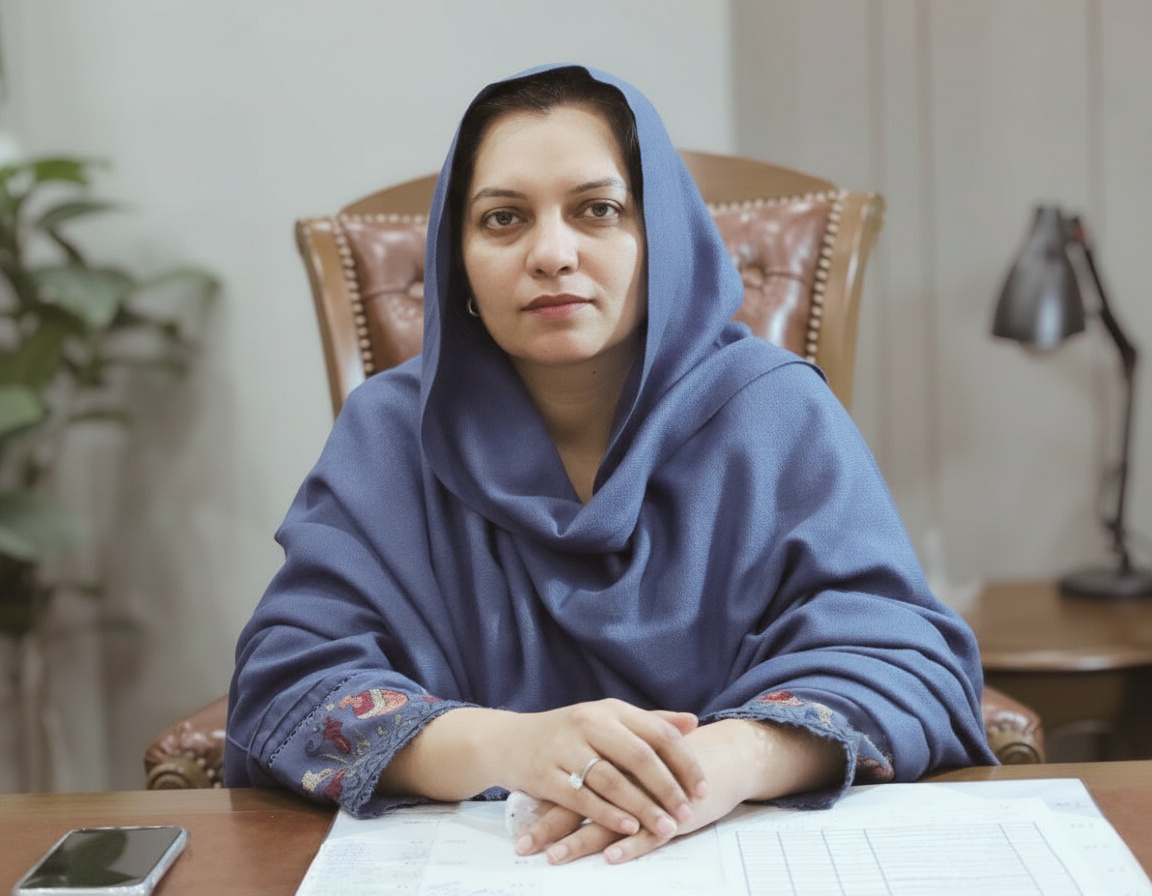
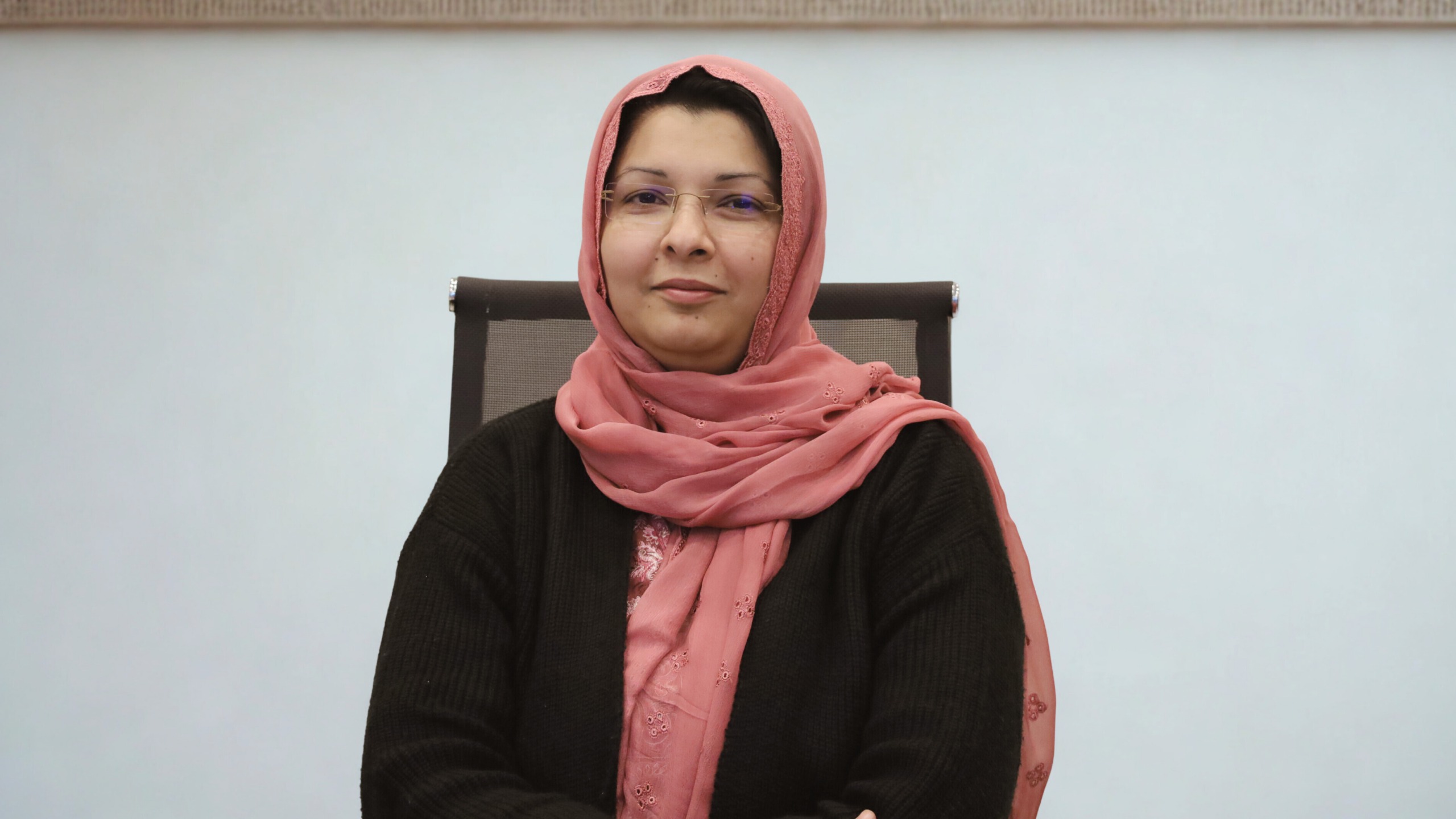



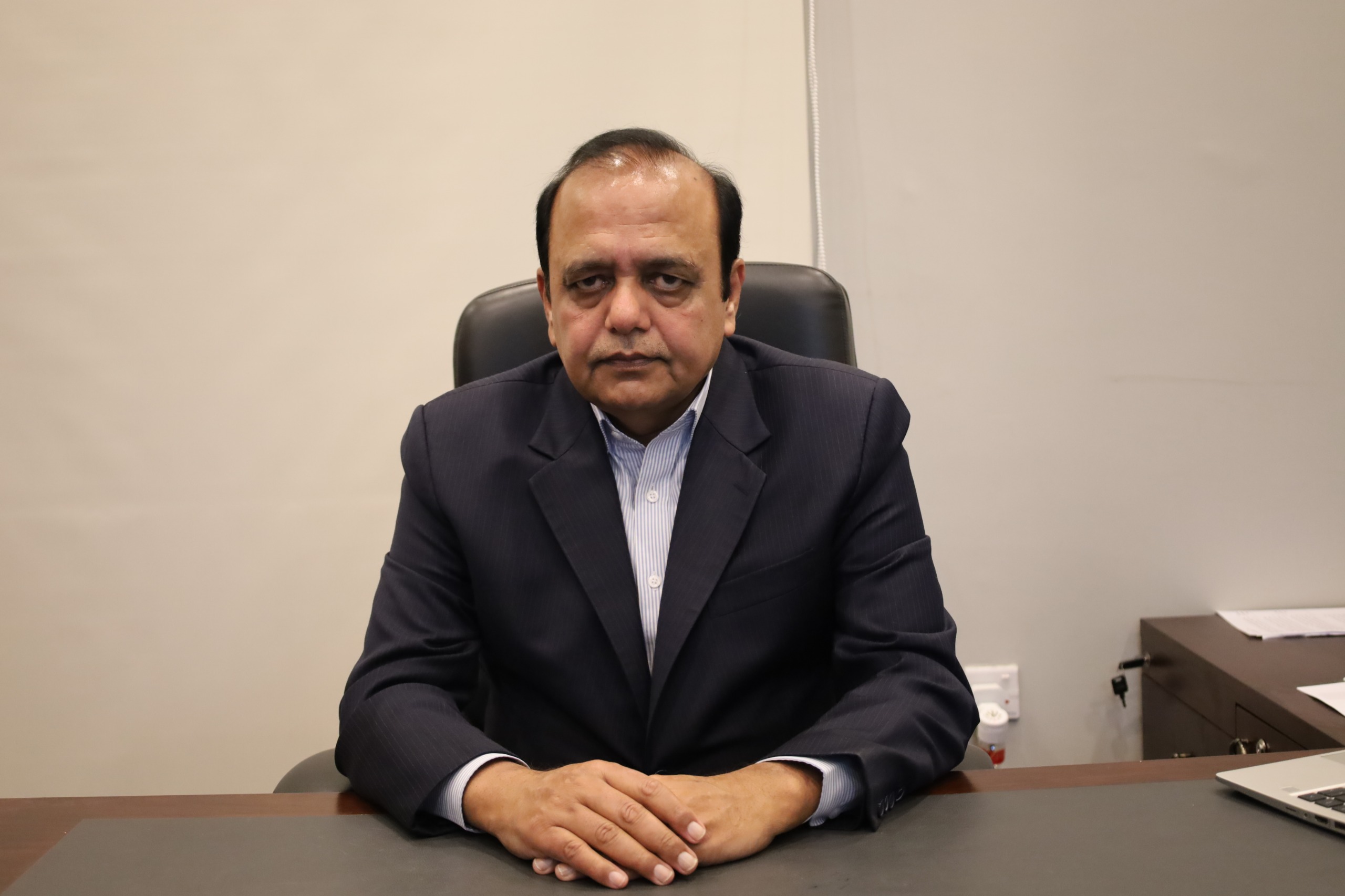


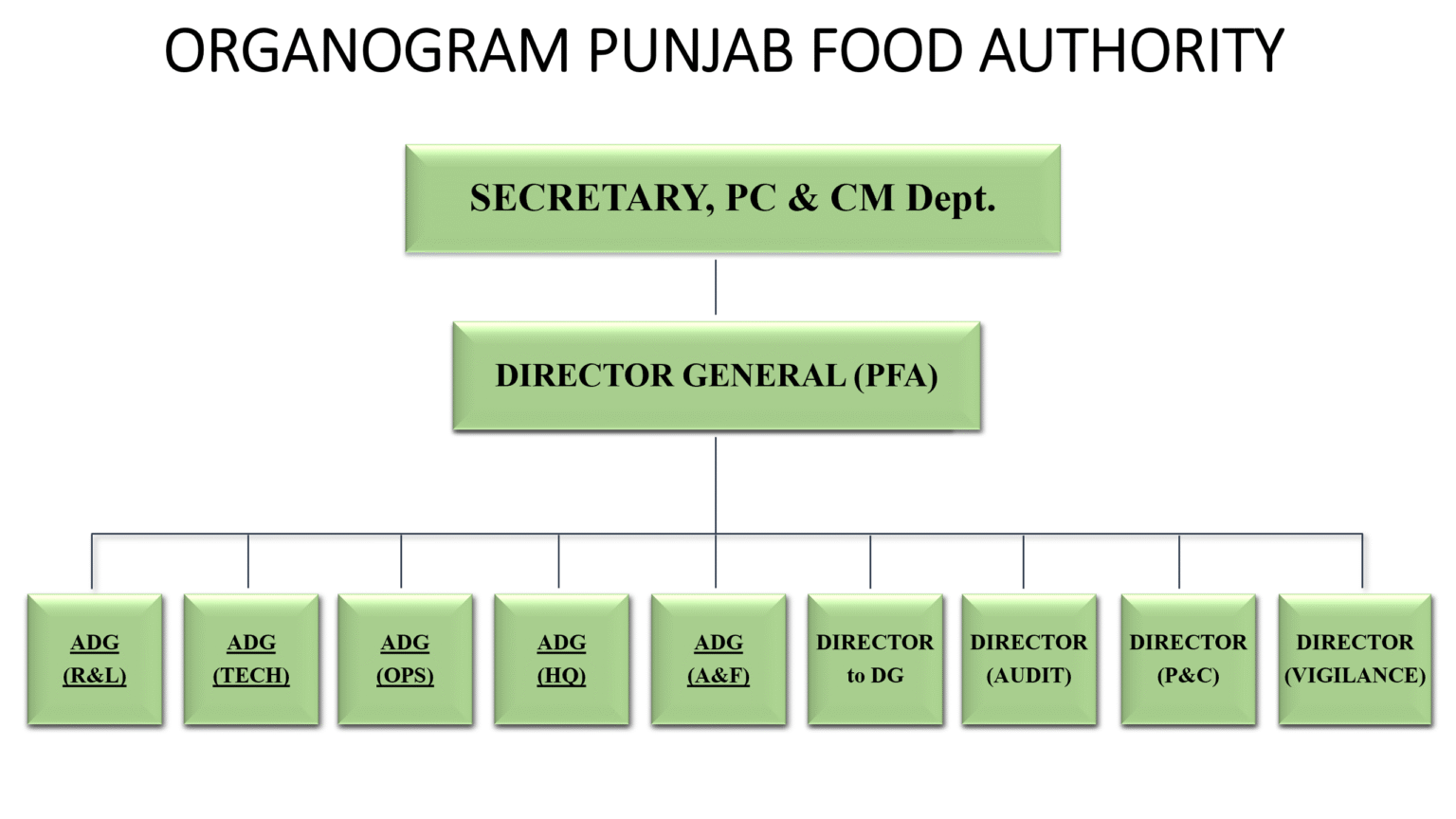
The Punjab Food Authority (PPA) is a regulatory body established in 2012 by the Government of Punjab, Pakistan, with the mission to ensure food safety, hygiene, and quality. Following an expansion in 2016, the PPA became operational in all districts of Punjab by 2017, solidifying its presence and authority across the province. Through rigorous enforcement, inspections, and education, the PPA aims to protect public health, prevent food-borne illnesses, and promote consumer confidence in the safety and quality of the food supply within Punjab.
Visit WebsiteThe Punjab Food Authority Act, 2011 entrusts the Punjab Food Authority with the following functions and responsibilities:
PAMRA enhance Punjab's agriculture through initiatives that support farmers, improve market efficiency, and promote sustainability, ensuring a robust agricultural economy for all stakeholders.
DG Food & Cane Commissioner Punjab is responsible for managing food and sugarcane policies and ensuring fair trade across the province.
Visit Website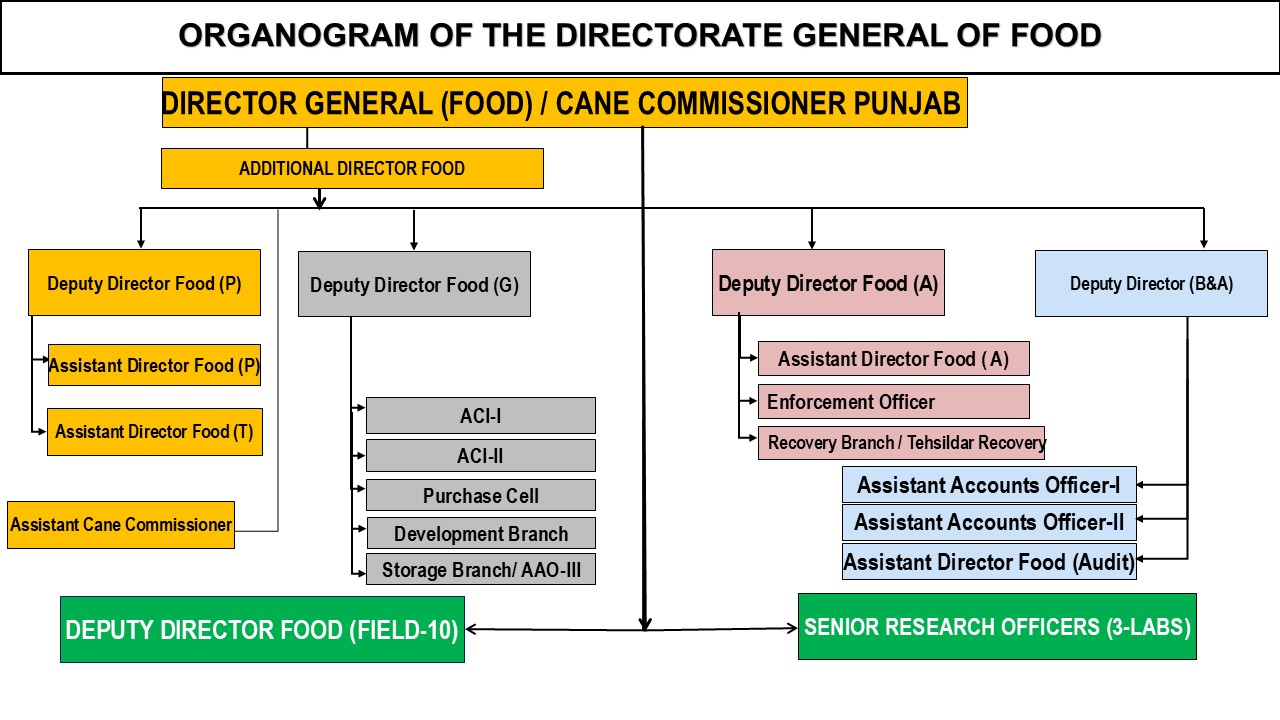
Director General Commodities oversees regulation, monitoring, and stabilization of essential commodity supplies and prices.
Visit Website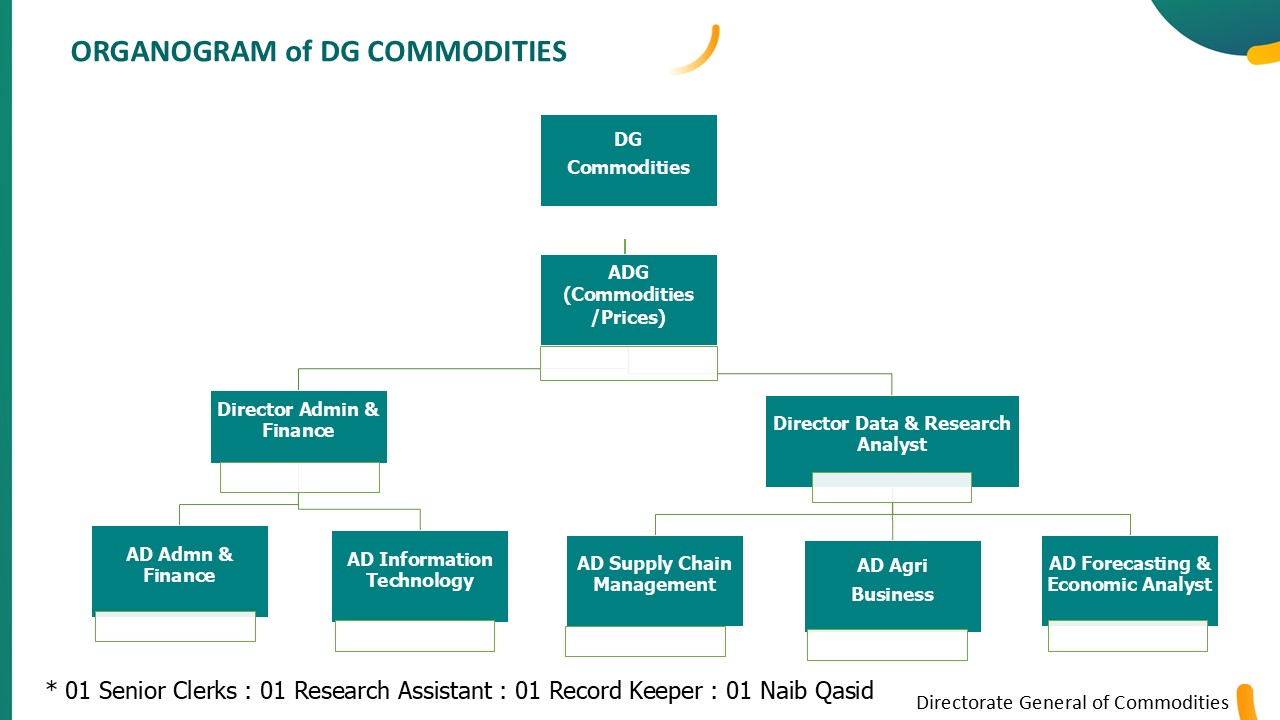
Through its training and research activities, PIAM indirectly supports the department's mandate to determine, monitor, and report wholesale and retail prices of essential commodities, document storage facilities, and manage market intelligence systems
Visit Website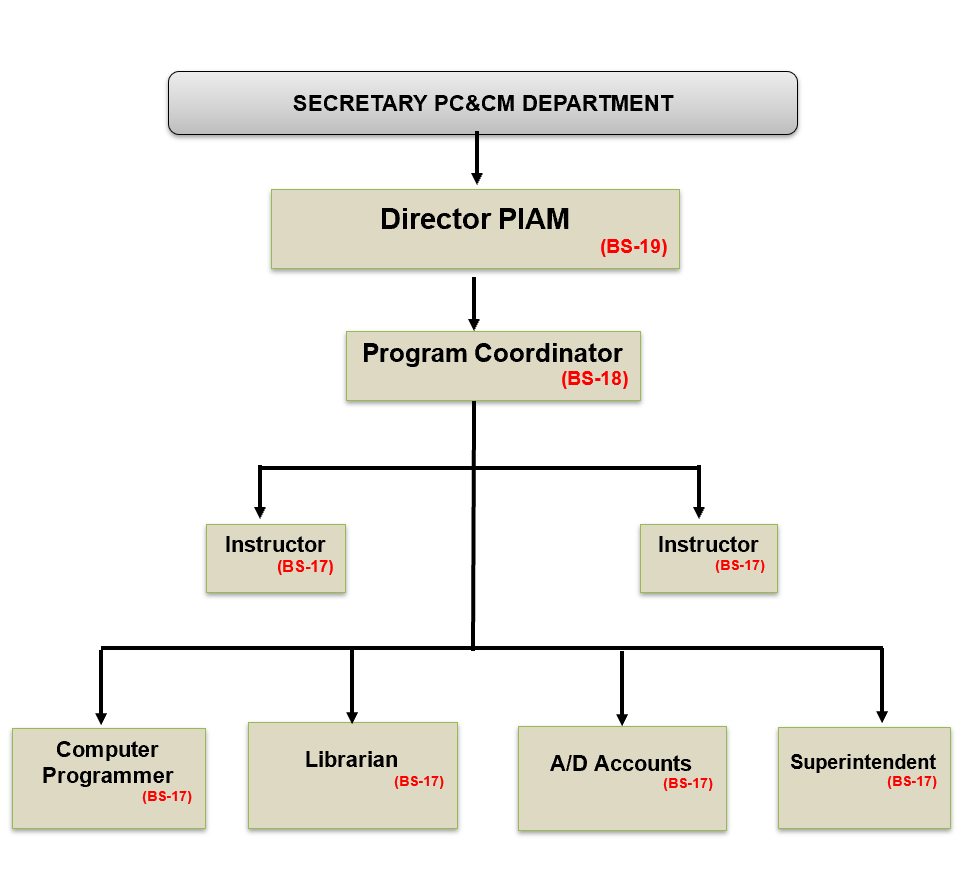
The Punjab Model Bazaars Management Company (PMBMC), a public sector organization incorporated under Section 42 of the Companies Ordinance 1984, operates under the Food Safety & Consumer Protection Department (FS&CPD). Established to provide essential commodities at fair prices, PMBMC’s Model Bazaars offer citizens a clean, well-managed, and respectful shopping environment with facilities such as food courts, prayer areas, and clean washrooms. These bazaars not only ensure the availability of daily-use items at notified or competitive rates but also serve as a business platform for lower- and middle-class entrepreneurs, who can rent stalls at nominal rates. Around 15,000 stallholders earn their livelihood through these bazaars, which attract nearly 50 million visitors annually. With free utilities, parking, and security, PMBMC continues to expand its reach, especially in underprivileged areas of southern Punjab. Due to their growing success and popularity, the Government of Punjab has decided to establish Model Bazaars in all 142 tehsils and keep them operational seven days a week to maximize public benefit.
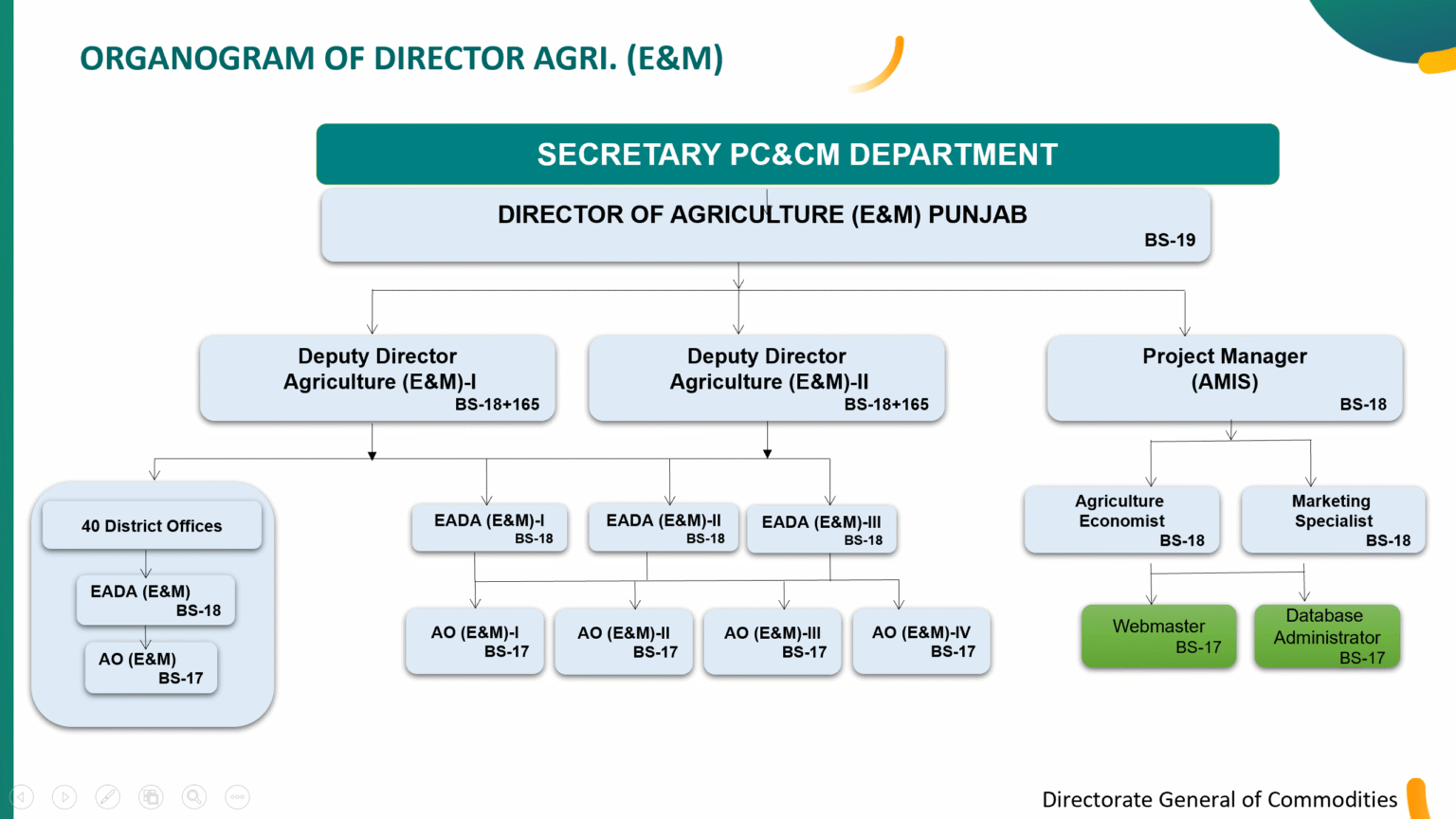
Visit WebsiteOrganogram will go here.
The Government of Punjab enacted the Punjab Consumer Protection Act (PCPA) in 2005 to protect and promote consumer rights and improve the quality of goods and services by eliminating defective products and poor practices from trade and commerce. Under this Act, District Consumer Courts and Consumer Protection Councils have been established in seventeen districts across Punjab, with the Directorate of Consumer Protection Council, Lahore serving as the headquarters. Consumers can file cases in Consumer Courts headed by District or Additional District & Sessions Judges, where violators may face imprisonment of up to two years, a fine up to PKR 100,000, or both. Additionally, complaints regarding specific violations can be filed with the concerned Authority (Deputy Commissioner), which may impose fines up to PKR 50,000.
A key feature of this welfare-oriented legislation is that it provides free and speedy justice to consumers for grievances against defective products and faulty services.
Visit WebsiteThe functions of Directorate of CPC as per PCPA 2005 are as under:
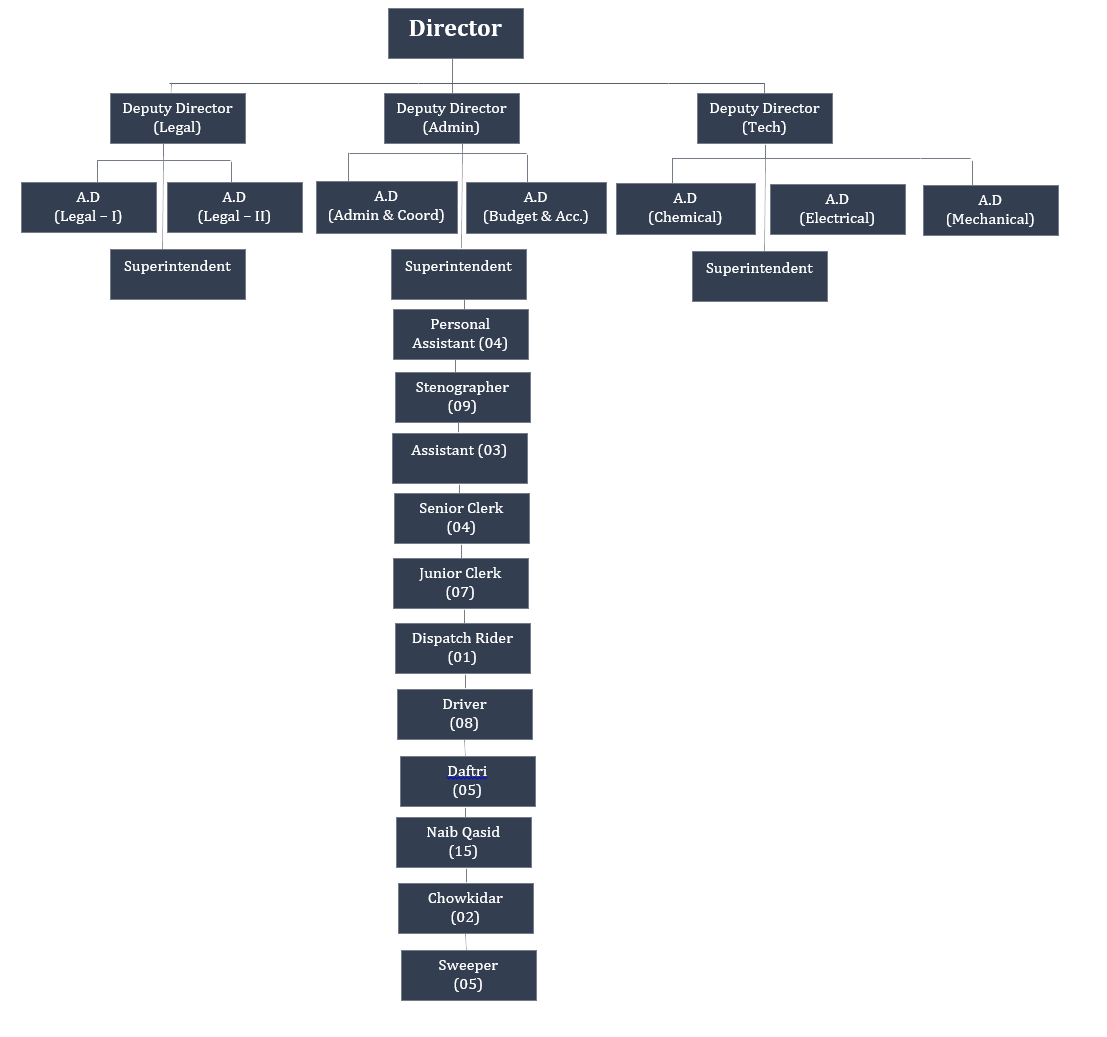
The Directorate of Agriculture (Economics and Marketing) in Punjab has played a pivotal role in shaping the agriculture marketing framework in the province. With origins tracing back to the pre-independence era, this institution has evolved with the passage of time, from its supervisory role of Market Committees, collaborative functions with the Punjab Agriculture Marketing Regulatory Authority (PAMRA) to its attachment with Food Safety and Consumer Protection, Government of the Punjab. The synergy between these entities aims to ensure fair returns to farmers, stabilize prices, and create a digitally driven, transparent marketing system.
Visit WebsiteThe Directorate of Agriculture (E&M), Punjab, stands as a central pillar of agricultural governance—merging traditional oversight with technological modernization. Its comprehensive scope, from grassroots data gathering to multi-level institutional engagement, supports both market stabilization and strategic development goals in the agricultural sector.
The Directorate emphasizes evidence-based planning and market intelligence through:
Committed to transparency and market education, the Directorate publishes:
Both are disseminated via the department's official website and offer valuable insights to producers, traders, and policymakers alike.
Efficient, coordinated supply movement is maintained through:
The Directorate undertakes significant governance improvements, including:
Ensuring transparency and regulatory compliance involves:
Major development schemes actively managed by the Directorate include:
The Directorate also plays a pivotal role in seasonal public relief efforts such as:
| Year | Allocation | Revised Allocation | Funds Released | Utilization % |
|---|---|---|---|---|
| 2025-26 | 4,800,000 | 00 | 00 | 00 |
| 2024-25 | 4,896.38 | 4955.425 | 4421.066 | 89.22 |
| 2023-24 | 1127.507 | 1090.37 | 1011.731 | 92.79 |
| 2022-23 | 656.615 | 637.304 | 564.738 | 88.61 |
| 2021-22 | 1223.337 | 1163.62 | 1123.917 | 96.59 |
| Sr. No. | Year | Allocated Budget | Utilized Budget |
|---|---|---|---|
| 1 | 2018-19 | 2,655,354,006 | 1,718,442,067 |
| 2 | 2019-20 | 1,350,022,000 | 1,257,151,672 |
| 3 | 2020-21 | 1,759,735,500 | 1,631,030,903 |
| 4 | 2021-22 | 2,385,795,500 | 2,139,800,238 |
| 5 | 2022-23 | 2,419,735,000 | 2,209,608,922 |
There is no table yet
There is no table yet
| Sr. No. | Year | Allocated Budget | Utilized Budget |
|---|---|---|---|
| 1 | 2018-19 | 34,918,000,000 | 35,452,149,176 |
| 2 | 2019-20 | 55,200,000,000 | 55,199,190,631 |
| 3 | 2020-21 | 36,300,000,000 | 36,253,471,002 |
| 4 | 2021-22 | 40,754,000,000 | 40,592,953,209 |
| 5 | 2022-23 | 87,044,000,000 | 86,838,556,184 |
| Sr. No. | Year | Allocated Budget | Utilized Budget |
|---|---|---|---|
| 1 | 2018-19 | 19,972,000 | 14,682,314 |
| 2 | 2019-20 | 20,907,000 | 19,119,328 |
| 3 | 2020-21 | 20,764,000 | 19,701,421 |
| 4 | 2021-22 | 20,842,000 | 20,350,436 |
| 5 | 2022-23 | 49,376,591 | 43,911,721 |
Table for Director General Commodities
Table for Director Punjab Institute Of Agriculture Marketing
Table for Punjab Sahulat Bazaar Authority
Table for Director Consumer Protection Council
Table for Director of Agriculture (E&M) Punjab

 Home
Home